Interview with Artist Colt Seager
Colt Seager (b.1993) is a contemporary abstract painter who works predominantly in oil. His work is rooted in the Midwest prairie landscape and in a longstanding interest in how abstraction can call forth an emotional, and inherently spiritual, response before the viewer ever identifies an object
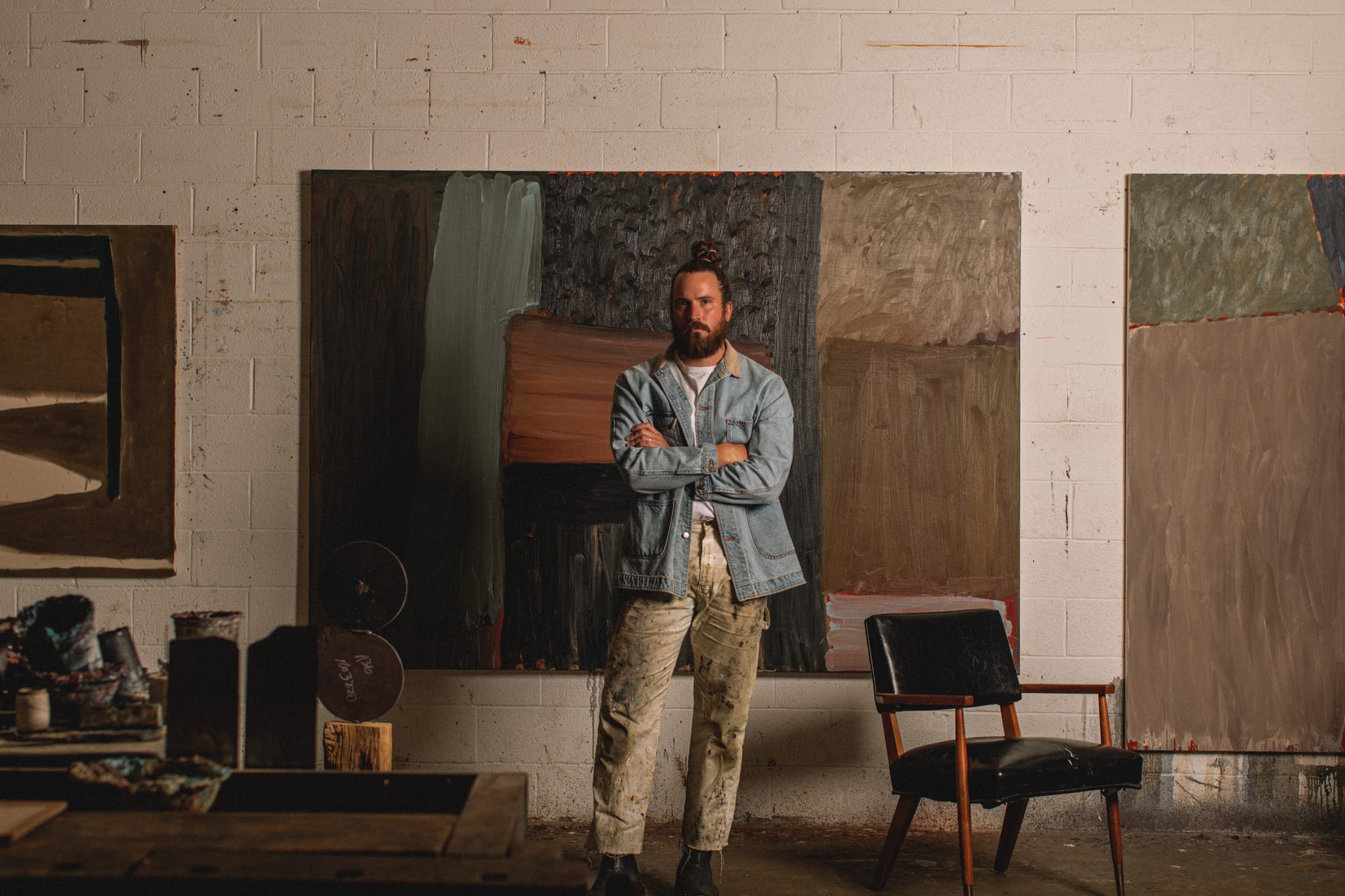
Wolfgang: Tell me about yourself. Who are you and what do you do, for those who may not be familiar?
Colt: My name is Colt Seager, and I'm a contemporary abstract painter. I work predominantly in oil, and I've been doing it full-time for coming up on seven years now, which is definitely a blessing.
My greatest influences are the post-war abstraction movement, specifically the color field and lyrical abstraction work of artists like Mark Rothko, Clyfford Still, and Joan Mitchell. More recently, Sean Scully has been a direct influence. I'm making work that is in dialogue with that historical arc, and I'm really interested in the spiritual undertones of abstraction, and how you're drawn to relate to it emotionally, because you're not pinpointing a location or a familiar object. You're engaging with the rawness of the color, the texture, the form. It calls your emotion to respond first, which I love. To me, that is inherently spiritual.
I don't know how much you know about the "thin place," or if you want me to go into some of the deeper concepts behind my practice.
Wolfgang: I'm not familiar with that term. I would love for you to explain it.
Colt: Another foundational piece for me: when I was in undergrad, I spent time integrating art and theology, and one of the core concepts was a Celtic Irish teaching called the thin place. It's a beautiful lens for looking at the world. There are physical places, in Ireland for instance, along the coast and in other designated areas, that are considered thin places. The idea is that the veil between heaven and earth almost lifts, like it's blowing in the wind, and you get transcendent moments, glimpses of the divine.
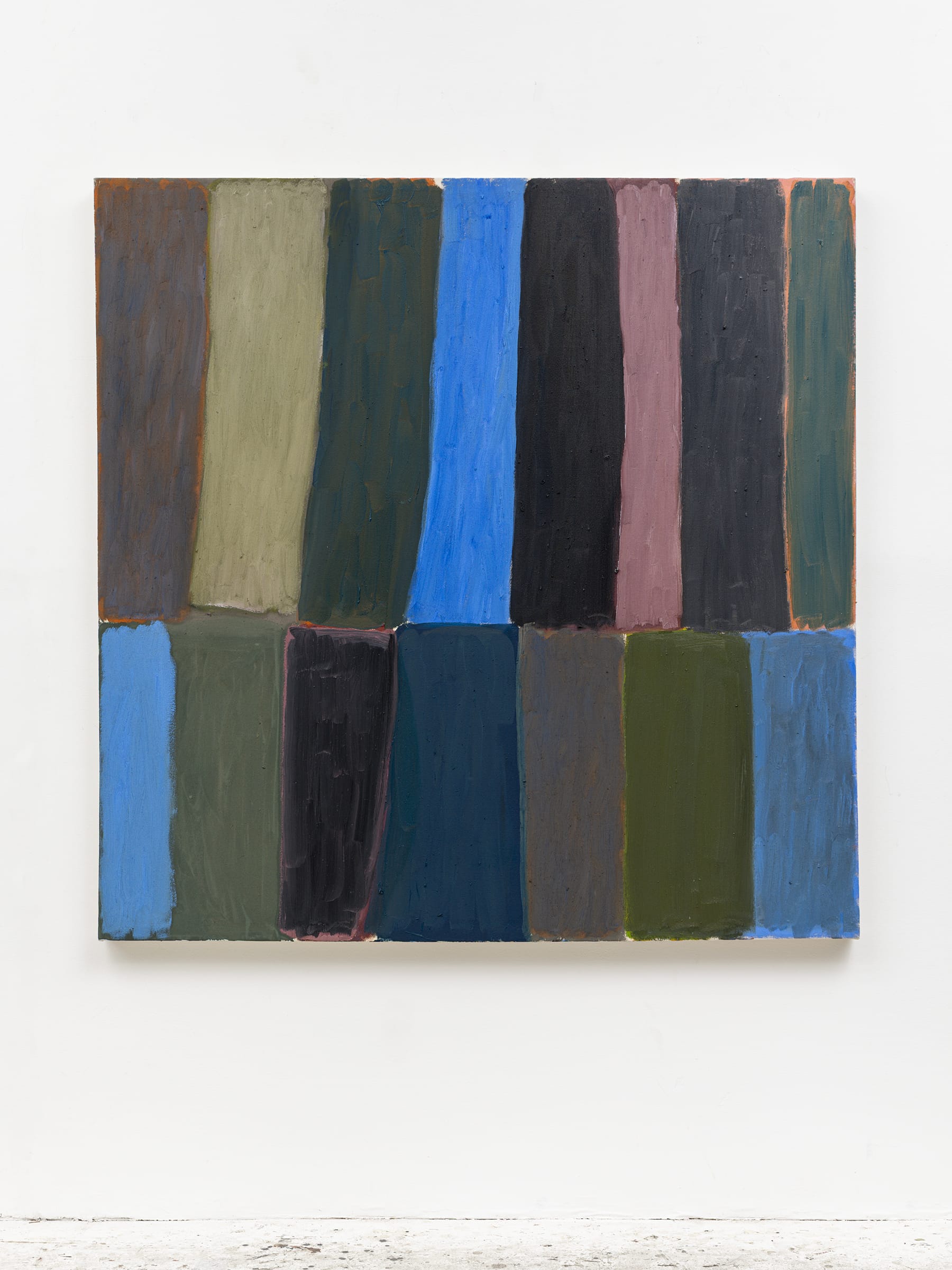
It could be a seaside cliff, a beach, watching a sunset, walking in the woods, standing in the mountains. I think everybody has probably experienced it. Often it's a fleeting moment: a sunset changes so quickly and it's gone, so you have a limited window to sit in that space. I'm very interested in those experiences in nature, and I've taken that lens and applied it to art. I often think of my paintings as a window into the thin place, painting a landscape influenced by the Midwest prairie, its colors, its wildflowers, and those spaces in between: the tree line, the riverbank, a river cutting through a field and leaving what seems like a void. All of those moments inspire me, and I think of my paintings as a window into that thin place through abstraction.
Wolfgang: That's really interesting. In your bio you say your work is rooted in the Midwest prairie. What does that mean to you, beyond the physical sense of a place?
Colt: There's a direct orientation to place in my work. I grew up in this area and live about an hour west of Chicago, surrounded by forest preserves, meadows, and prairies that I've always been drawn to. I'm inspired by their natural beauty and the rhythm they offer. Our house actually backs up to one of these meadows, so every morning and every day I'm observing how it changes throughout the year.
The most direct relation is in my color. It's inspired by how I see color in nature: all of these bright oranges, yellows, purples, and pinks, but surrounded by the earthiness of prairie grasses, dirt, mud, and tree bark, the browns, greens, and blacks, the umbers. For me, nature is the best colorist there is, and I try to mimic how I see color in it. Being rooted in the Midwest prairie is very practical in that sense. I feel like I've been learning and studying from nature.
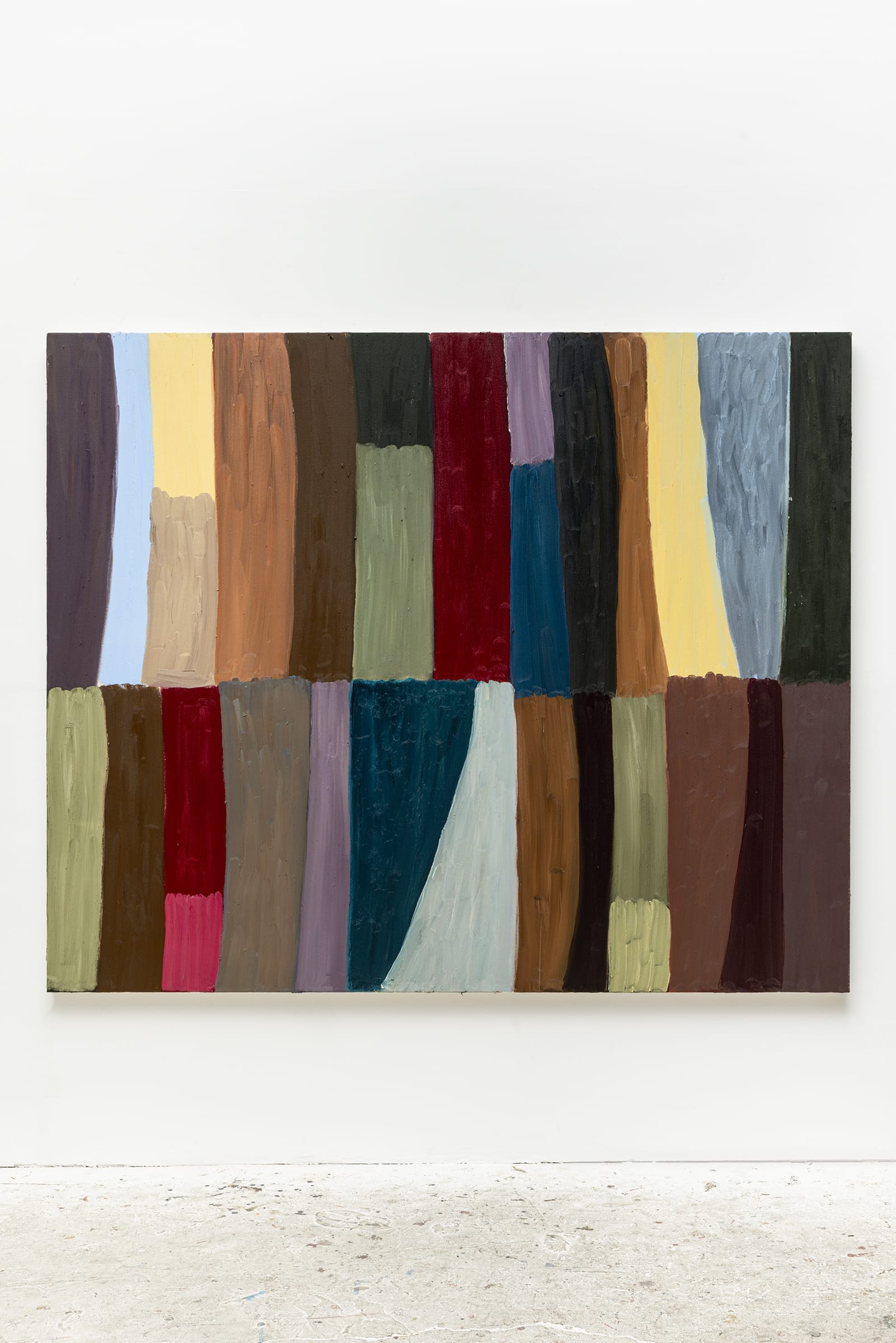
It shows up in form, too. Celtic spirituality venerates in-between spaces: the tree line where the forest meets the field, the banks of a river, a cliff that's not quite the ocean yet but is where the land ends. They find an inherent spirituality in those spaces. In my own paintings, I've noticed that over the years I've become more and more obsessed with edges, both the edges of the painting and the edges of forms where they seem to touch but not quite.
I build up the surface of a painting through accumulation: putting down paint, letting it dry, putting down more, and so on. That layering feels like a direct characteristic of nature, like how sediment and soil accumulate. There's erosion too, of course, but I'm really interested in the settling of sediment. I think of my paintings as the way sediment would settle, and through applying and layering color it feels like soil and sediment slowly settling.
Wolfgang: I find that really interesting, because I studied music and geography, and I don't think many people think about art through a geographical lens. It's a certain subset of artists who really pinpoint their work toward that, and I do it myself with the music I create. I wanted to ask about your process of becoming an artist. When did you realize that's what you wanted to do, and what got you to where you are now?
Colt: Looking back, it makes far more sense in hindsight than it did in the moment. My grandmother was an artist. She lived up in Door County, Wisconsin, a peninsula north of Green Bay that juts into Lake Michigan, with a small artist community and a beautiful, serene, almost idyllic feel. Growing up, I remember going to art shows with her, going to antique stores and finding old, interesting things. She had an art studio on the third floor of her house with windows in every direction, across the street from the lake, so you could hear the waves. Whenever we went up for the summer, I would wander up to her studio and she'd give me art lessons.
I grew up in a pretty athletic family. My two brothers and I all played soccer, so between school and soccer I didn't have a ton of time for art, but I was inherently drawn to it, so I took art classes whenever I could: drawing, studio classes. I never did ceramics, which is my one regret, but maybe I'll wander into that at some point. I even wanted to go to the Art Institute of Chicago for my birthday. I just wanted to be around it more.
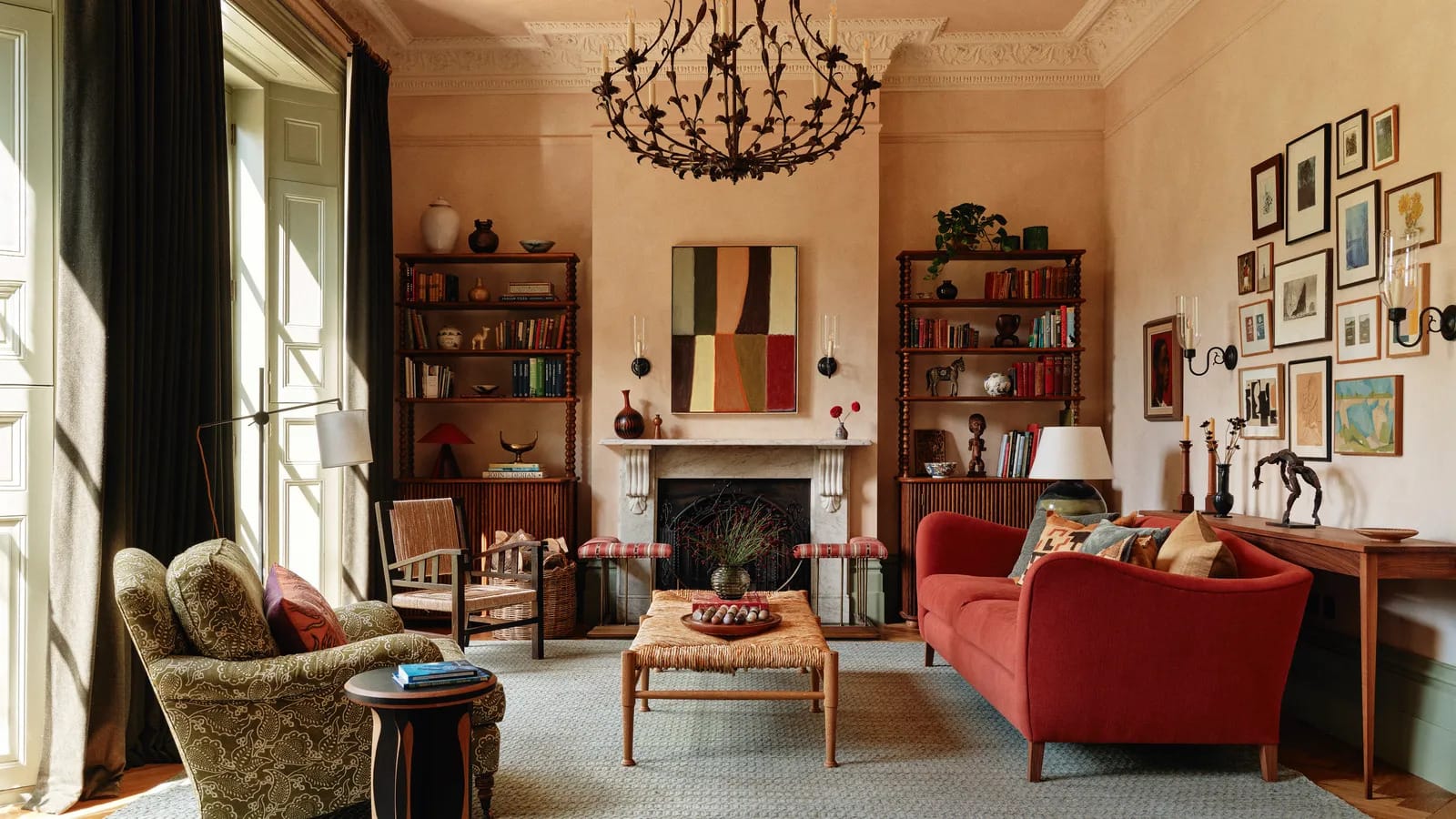
It wasn't until college that I realized this was it. I went to Moody Bible Institute in Chicago for two years, and I ended up feeling really depressed and anxious. I made the connection that I wasn't doing any art, and I had the epiphany that maybe art is what I'm supposed to be doing. God had clearly gifted me with a love for it, and a natural talent and skill. So I transferred to Wheaton College, where I got back into art and started integrating art and theology, and took a lot more studio classes.
I experimented with painting for the first time for my senior thesis show, and painting was entirely self-taught for me. At the time I'd been taking printmaking, art history, and design classes, and painting wasn't even on my radar. For my senior thesis I'd gotten two big square canvases for free and thought, maybe I should do a few paintings and put them in the show. The show was centered on the creation of the earth, based on the first three chapters of Genesis: the Spirit hovering over the waters, the creation of the void, separating the waters from the land, light from dark. My first two paintings were in that realm.
After graduating I was working just to live. My wife and I got married in 2017, and once we were married I thought, I should probably get a desk job and support us. But I was not happy. I realized I just wanted to be making. So I started making art on the side to destress from my desk job. When I switched jobs there was a couple-week gap where I made a ton of paintings and collage paper pieces, and I posted them on Instagram. People started reaching out asking if they could buy them. For a while I was just covering materials, then I got a couple of commissions. A restaurant in Wheaton, near where I live, commissioned a mural outside, then another inside, and some paintings to hang in the restaurant. That was the first project where I thought, maybe I can actually get paid for this, and it planted the seed.
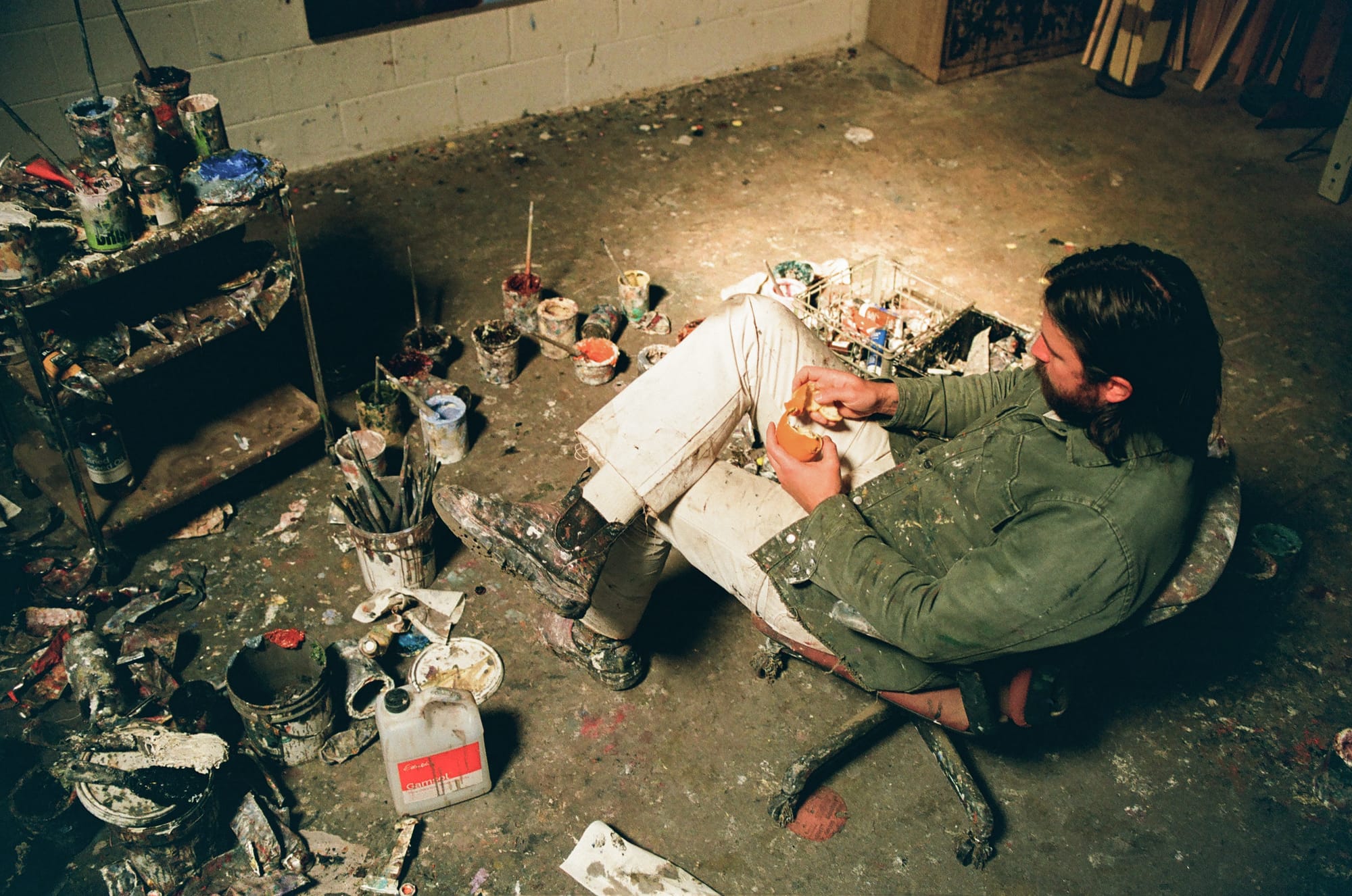
It grew very organically. Instagram at that time was pretty favorable to static posts, different from Reels now, so through posting my work online I started to get a following and sales. At some point it made sense to quit the desk job and jump into art. I realized the risk of not doing it felt far greater than the risk of actually trying. We didn't have kids at the time, so I officially made the transition in November 2019. That first full year was essentially 2020, which ended up being a really good year for art because people were stuck at home and sick of looking at blank walls. It ended up being one of the best decisions I could have made.
I think I was naive enough, too, which got me through those first years when I had no idea what I was doing. It was super up and down. Looking back now, if I knew what I know now I might be more hesitant, so being naive was a gift for sure. It's that childlike innocence of going into something without really realizing what you're doing.
Wolfgang: When I spoke with Preston, there was something he said that I was curious about. He said Spiritual Expressionism is happening. Do you feel like you fall into that, and what are your thoughts on that statement?
Colt: I definitely think he's right. I have a number of artist friends who are all believers, Christians making art, and they're getting more established in contemporary art circles, whether that's galleries or working with designers, and having more of a presence. So I do think there are Christians going back to making contemplative, good art.
For me, I can't separate the two. They're one and the same. I'm a Christian, and I'm very interested in traditions and icons and the art history that came out of this rich lineage of the church. The very first line of Scripture says God created the heavens and the earth, so the first thing we know about God himself is that he was an artist and a creator. I think there's an inherently deep power in our human experience of creating.
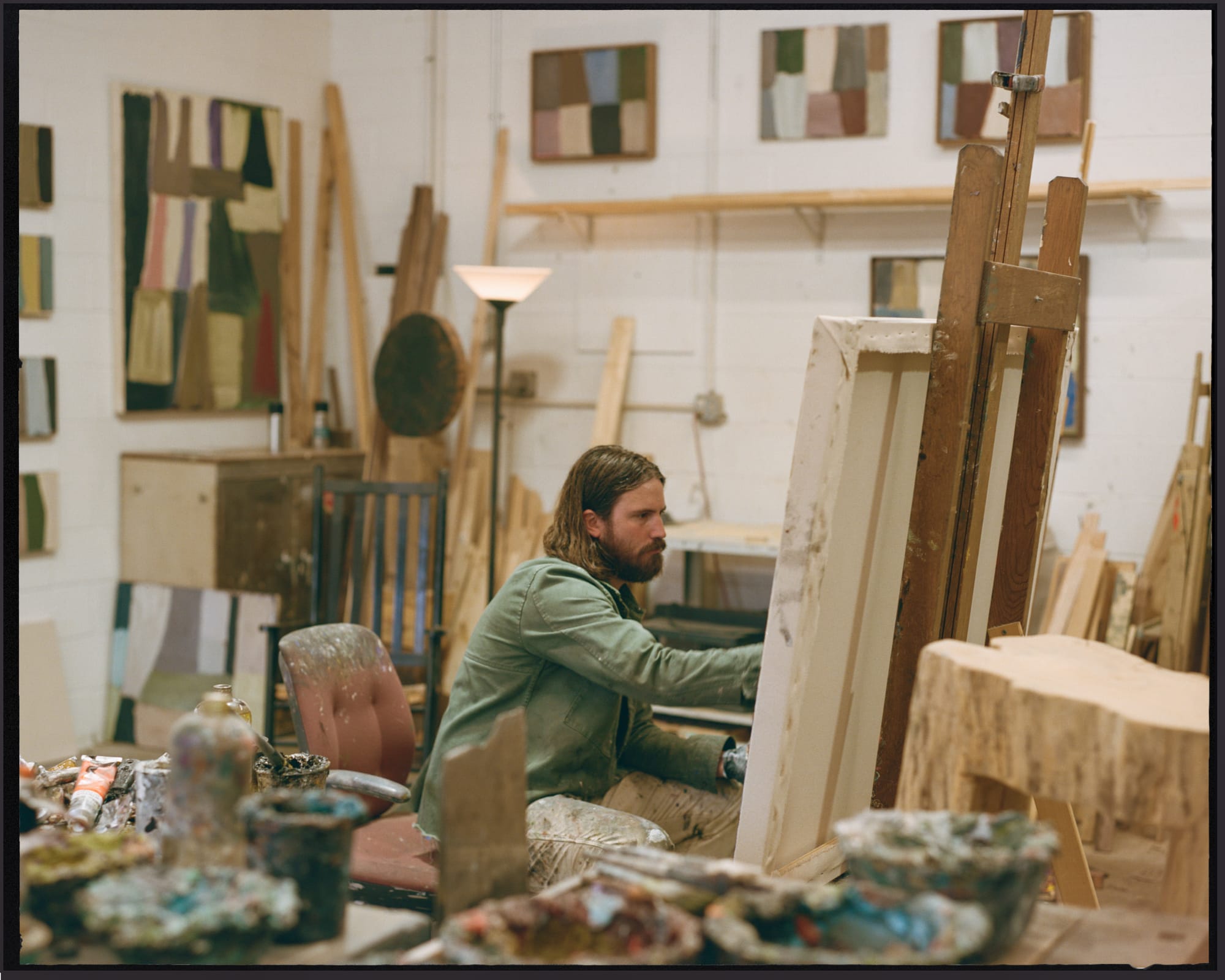
I grew up in the evangelical, non-denominational world, which had a very low level of art. It either didn't exist, or if it did, it was kitschy, cliché, overt, almost a commodity: let's just put a cross on this thing. Whereas Orthodoxy and even Catholicism have this lineage of iconography, painting the saints and picturing the stories of Scripture, in a deep tradition. I was very interested in the tension between the contemporary Western church and the icons of old, which is probably what led me back to where we are now. We go to an Anglican church. I love Orthodoxy. I think there's something about these traditions that speaks to the mysteries of human nature.
I'm compelled as an artist to make contemplative, spiritually thoughtful work, and I choose not to be overly overt about it. I'm not going to hide it, but I'm interested in preserving the mystery. For people who want to dig deeper into the spiritual side of my work, it's there, and they can discover it and dialogue with me about it. But I don't want to be put in the box of "Christian artist." I just want to be known as a great artist, and the byproduct is that as people get to know my worldview and my perspectives on life, there's a deep spirituality to that. Ultimately I long for everybody to have a relationship with God, to be a better version of themselves, more aligned with that truth and energetic reality.
I think it's an exciting time because people are looking for substance. Everything is digitized and fast-paced, everything is marketed to us as a sellable product, and I think people are spiritually dry and exhausted by the algorithm burning them out. Their nervous systems are dysregulated. As artists we can offer a kind of nourishment for the soul. Painting is nourishment for me. It's also work, but I have to do it. And I think people need to be able to live with art. I don't think they realize how much they need it, because technically there's zero utility to a painting hanging on a wall. It can't get you to the grocery store, you can't drink your coffee out of it like a ceramic mug. But if you think about the most stressful, darkest, most grief-ridden times in life, we as humans turn to art. We turn to music, to poetry, to paintings. You go to a museum or a gallery because there's an otherworldly nature to it. That's the thin place again. Even if you're not a spiritual person, you can't deny what these mediums offer us.
Christianity, to me, provides a lot of good answers and explanations about this world. You can dive deep into the theology of it. It's not without its flaws, by any means, because nothing humans do is perfect. But being a Christian and an artist is an opportunity to merge things and provide a powerful, meaningful experience for the people engaging with the art.
Wolfgang: I feel like there's a lot of movement toward the ancient church, even among people in the evangelical space, because everything in our life is so modern and people want that more traditional sense. What I find interesting is that your paintings are contemporary, but when I look at them they feel almost like a deconstructed icon. It's the colors, and the way they make you feel.
Colt: I relate to that. I've heard some people describe my paintings as stained glass, and there's maybe something cathedral-like about them. I was even thinking about the Eucharist: there's incense, there's the bread and the wine, these material sacraments through which we experience Christ's body and blood. I think of painting almost similarly. You have material things you can engage with the spiritual, and meet with God through them. We have so many material avenues that allow for that, if we want to look through a sacramental lens.
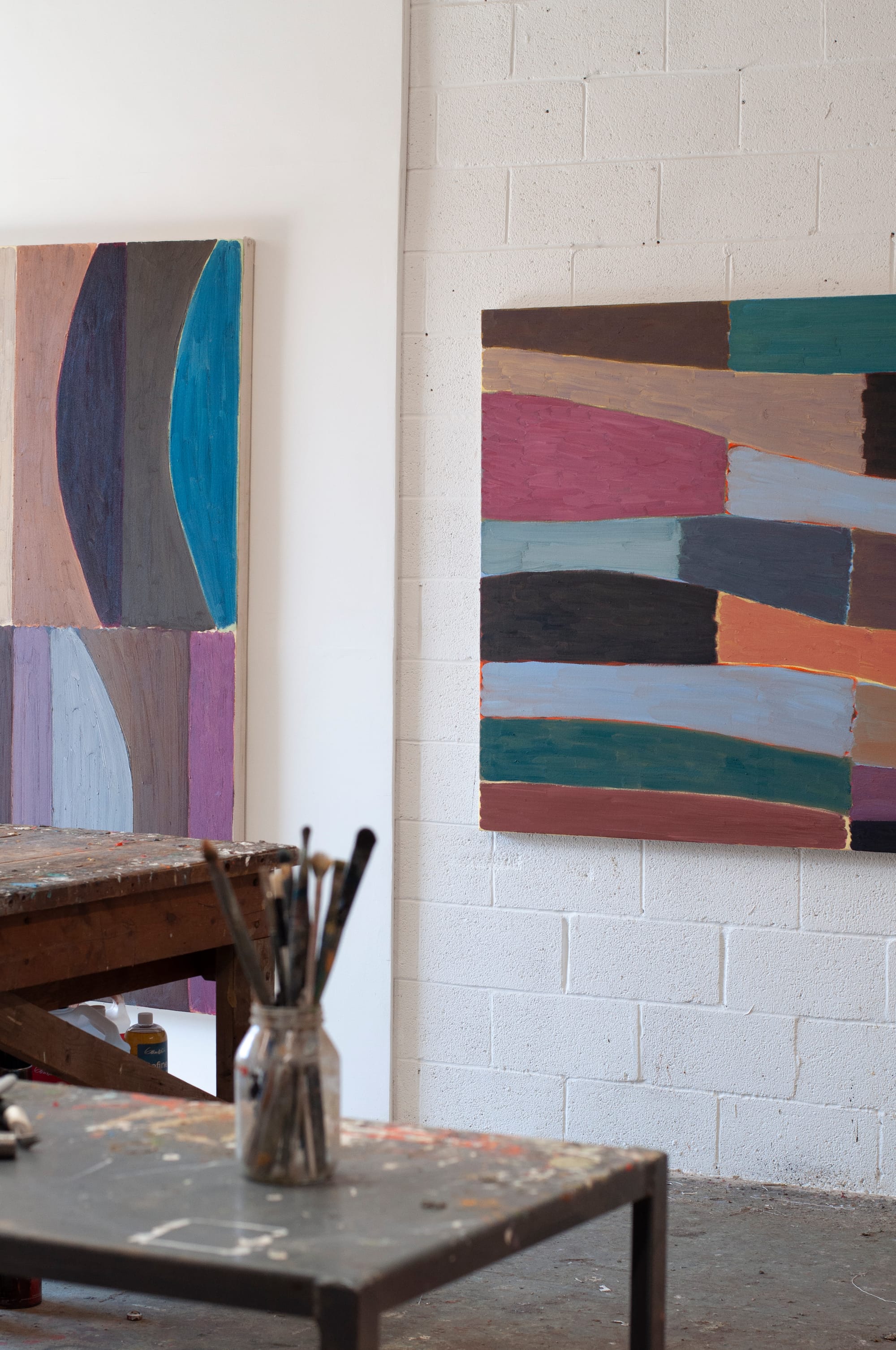
What's interesting about the traditional church is the use of incense, icons, and visuals. It's not just about a sermon. It's about a rich liturgy that we all participate in together, one that culminates in the Eucharist and communion. Engaging all of our senses is something people are longing for. And that's what's cool about art, and why I like big abstract paintings: they overtake you. If you stand close enough, or it's big enough, your peripheral vision is consumed by the painting. You're confronted with the textures, the smell of the paint, the brushstrokes, the movement, the color. It overtakes the senses.
Wolfgang: We're getting close to the end, so my final question is what's next for you. What can people expect, and what are you working on?
Colt: I'm always working on things. I'm working with a number of galleries I've established partnerships with over the last couple of years, so I'm pushing more toward the fine art circle and doing exhibitions, and there will be more opportunities to see the work in person. This year I'm participating in the Untitled Art Fair in Miami, the first week of December, with a solo presentation with Rhett Baruch Gallery out of LA, which is exciting.
Beyond that, I'm continuing to push the work, to develop it further and deeper and pull out more of these themes. My goal is to make a lot of paintings, to make good paintings, paintings that I like to look at and that I want other people to look at. There's a dichotomy: I have all these deep thoughts around art, but I'm also concerned with the aesthetic. I'm concerned with making a painting that is peaceful, with nice colors and nice textures, that has aesthetic qualities at the surface that draw you in. I'm pushing into both of those, always refining deeper.
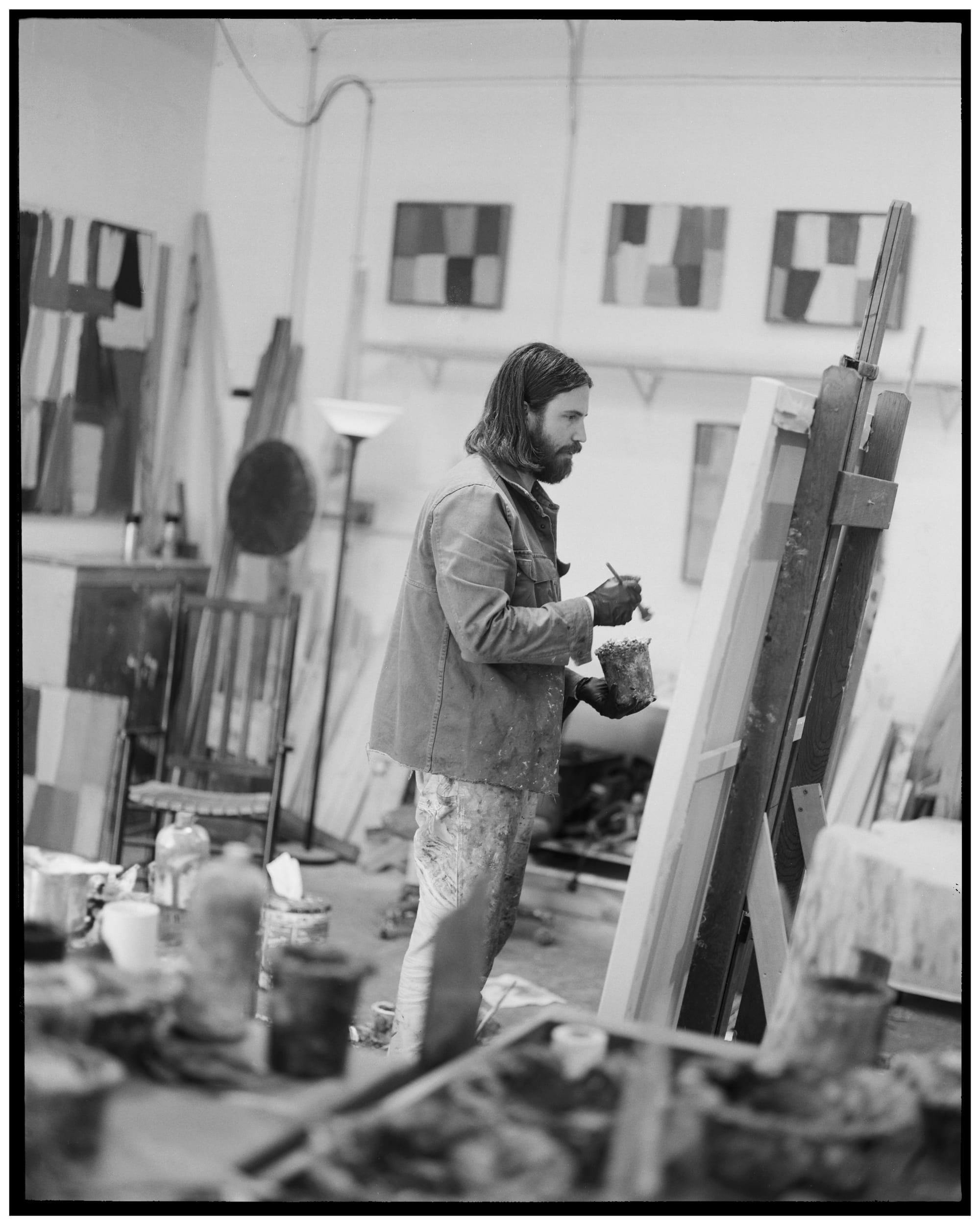
Colt Seager (b.1993) is a contemporary abstract painter who works predominantly in oil and has painted full-time for nearly seven years. His work is rooted in the Midwest prairie landscape and in a longstanding interest in how abstraction can call forth an emotional, and inherently spiritual, response before the viewer ever identifies an object.
View his website and instagram.