Why Epstein is already being forgotten
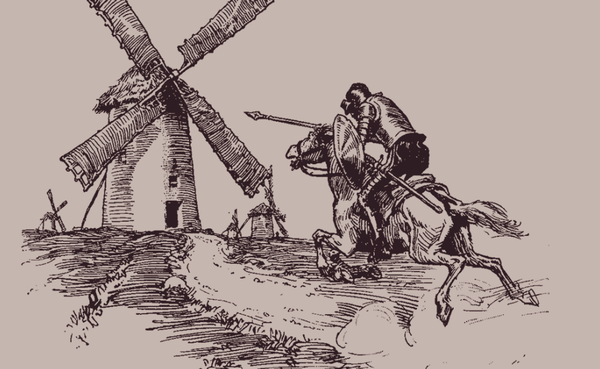
Yeats’ gyres now come faster and faster, and as each new era comes, we quickly forget the last one. Our minds cannot comprehend, our spinning top cannot hold. It is imploding in on itself.

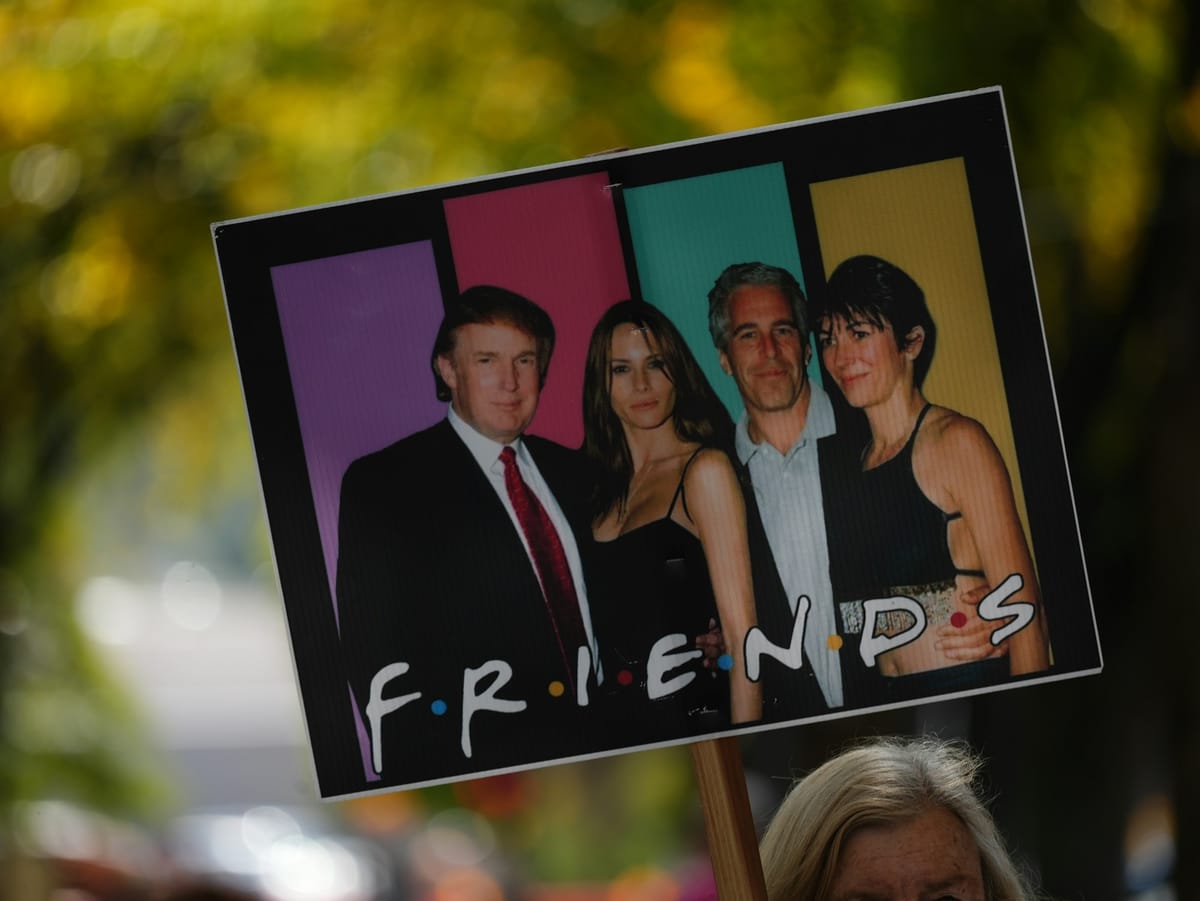
We as a society are placed into an ever stranger spot right now, as information is being slowly dripped out by the government about the horrendous actions of Epstein and his cohorts. I am determined to say the quiet part out loud. Online, it feels as if our country and society are falling apart, while our day to day lives seem to remain business as usual.
Turning and turning in the widening gyre
The falcon cannot hear the falconer;
Things fall apart; the centre cannot hold;
Mere anarchy is loosed upon the world,
The blood-dimmed tide is loosed, and everywhere
The ceremony of innocence is drowned;
The best lack all conviction, while the worst
Are full of passionate intensity…
Surely some revelation is at hand;
Surely the Second Coming is at hand.
I start here with an excerpt of Yeats, “The Second Coming.” This poem was famously written after the aftermath of World War I and the Spanish flu, to which his own wife contracted while pregnant. To sum up the meaning, the full poem describes a world that is so dark and twisted that the speaker believes that surely this is the end of time, that Christ himself is returning, but instead the speaker describes a new age or “gyre” as a beast that slouches toward Bethlehem to be born, to define a new, darker period of civilization.
Every day we are bombarded with news about Palestine, Sudan, ICE, the Epstein files, rumors of war, AI takeover, economic insecurities, and so much more that our brains have to process, compartmentalize, and reiterate to others. This is our dark and twisted world that Yeats describes, one that’s moving us toward a time where the elites scare and desensitize us just enough to accept any sort of spoon fed solution, one that will come from them and at the expense of freedoms that we have now.
This is a lot to take in.
I know personally, as I have spent time online sifting through articles, videos, and memes on Instagram just to get my thoughts together enough to write some of them down. I heard someone mention the other day that “tragedy and comedy in their essence are not all that different, it’s just the way that the stories are presented that changes the emotional outcome that we have.” I believe that this can carry some truth today, as online there is more and more content being made to humorize the Epstein situation.
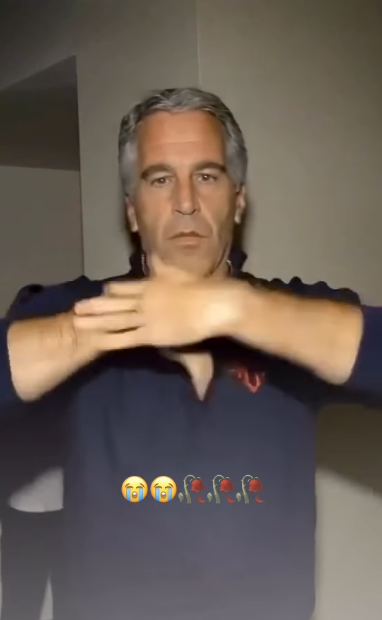
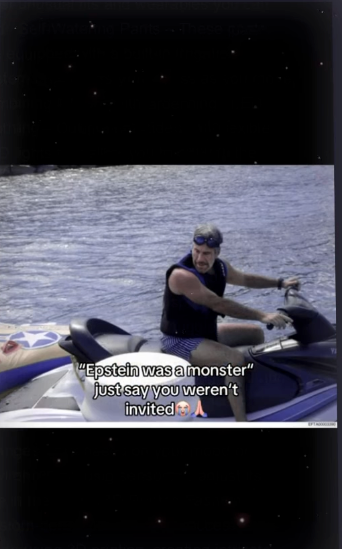
Pictured Left: A deepfake video showing Epstein dancing to rap music. Right: Another meme making light of the situation. Content like this is being shared online right now at an alarming rate.
It’s either that this is some sort of psy-op to get the masses to care less about what he did, or people are genuinely unable to process the negative emotions that one should have, so we turn to humor instead, or both at the same time. I believe that this is a current representation of social amnesia, or collective amnesia, which “is the societal repression or forgetting of its own past, often resulting from changing interests, ignorance, or intentional, forced erasure.”
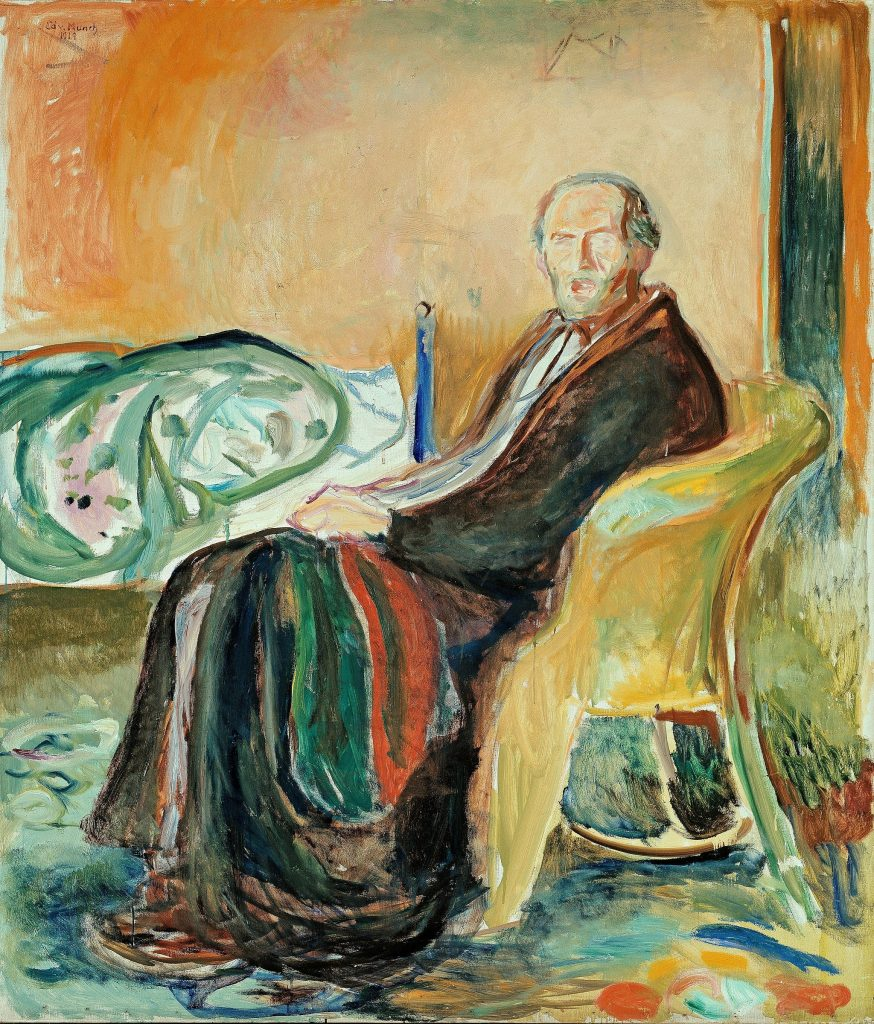
We see this many times in history. One is during the period when Yeats wrote “The Second Coming,” in which we don’t see much great art or media that is emblematic of that time frame. One argument for why is that the flu was overshadowed by the more traumatic events of World War I, even though the flu itself killed more people.
We also saw this with COVID. During this time frame, it feels as if there again is no large art movement, besides maybe health care murals, that is emblematic of this period of time. Now, as we are years away from COVID, we could classify that event as socially amnesia’d into infinity. Yes, we remember that it happened, but to most, it just feels like a blur in time that may or may not have even happened. And as time goes on, we forget all of the feelings and events we had to handle. Which brings us back to Yeats, who described time in periods of 2,000 year “gyres,” and at the end of World War I he believed that this beast was coming in to usher a new, more sinister gyre than the previously Christian one.
Turning and turning in the widening gyre
The falcon cannot hear the falconer;
Things fall apart; the centre cannot hold;
Little did he know at the time that even more traumatic events were coming sooner than he could imagine. The Great Depression, World War II, Korea, Vietnam, the fight for civil rights, the AIDS epidemic, gun violence, 9/11, and the global war on terrorism, just to name a few. These “gyres,” aka collective traumatic events in history that cause large scale change for the worse, now come faster and faster. And as each new era comes, we quickly forget the last one. Our minds cannot comprehend, our spinning top cannot hold, it is imploding in on itself.
Or at least that’s how it feels online.
Because how the world feels outside, at least in my city, Austin, tells a different story. People seem to be going about business as usual, and I am not one to blame them. But this is exactly a part of it. We live our lives seeing the worst things we can possibly imagine online, and we feel the need to do something about it. We contrast that with our lives that demand too much personal attention. We have errands to run, bills to pay, assignments to turn in, and mouths to feed. There is no time to create art, to organize, to demand change. The contrast blasts us with so much white noise that we believe maybe nothing is even happening at all.
So what should we do?
I don’t have all the answers, but I know that the one thing that they want from us is for us to forget and forgive. For us to look back in 20 years and have no social recognition of what happened. For there to be no significant art, music, literature, or film about any of these gyres that they are placing unto us.
That’s why I am writing this, to hopefully inspire others to create and to let our voices be heard, because in times like these... art changes things.