Timothée Chalamet Might Actually Be Right About Opera and Ballet
The actor recently criticized opera and ballet for feeling disconnected from contemporary culture. I think he may actually be pointing to a much larger problem in how many art forms are being preserved and taught today.

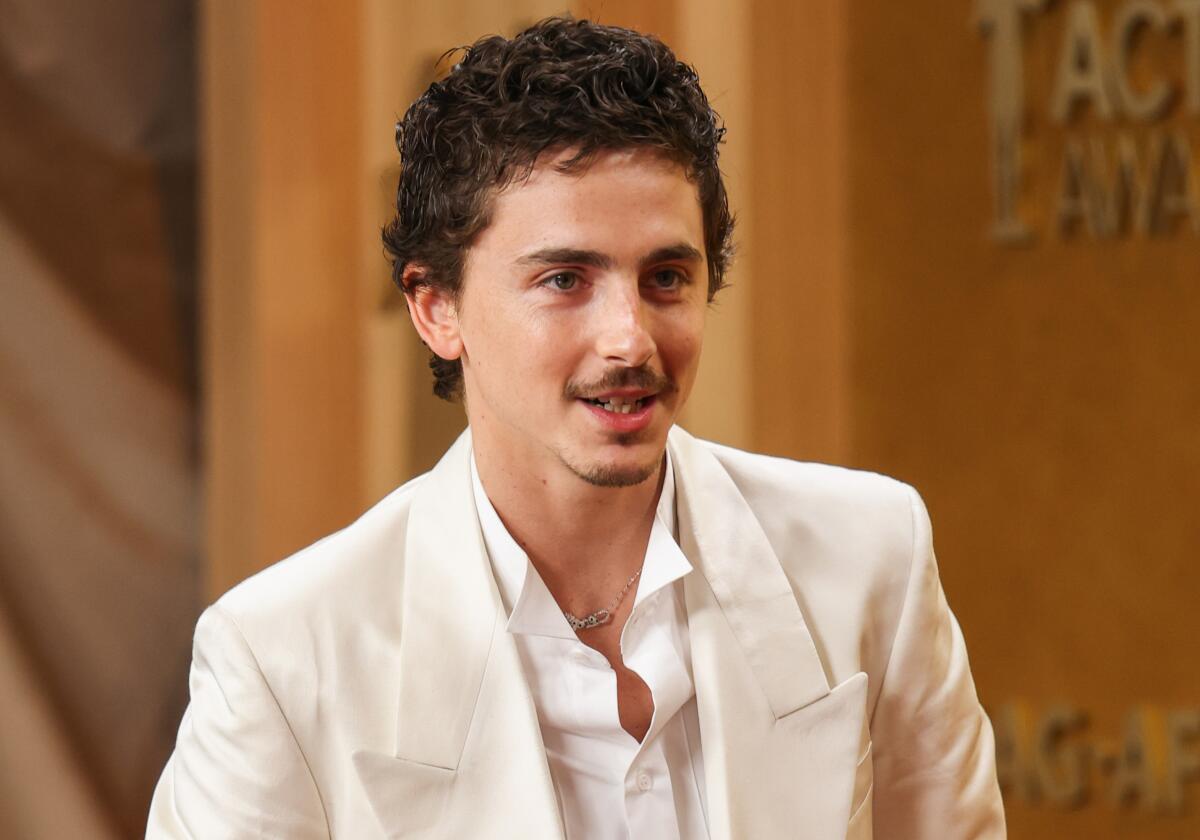
Recently Timothée Chalamet made some waves after criticizing opera and ballet for feeling disconnected from contemporary culture. A lot of people in the classical arts world were quick to dismiss the comment, but the more I think about it, the more I believe he’s actually right.
Before going further, I should say where I’m coming from. I’m a musician, and I study music at the university level. I understand the value of tradition and preservation. Learning the history and language of an art form is important.
But the same problem Chalamet pointed out in opera and ballet has also happened in jazz.
Jazz has become extremely institutionalized. In many schools, students spend years learning how to play standards that were written 60 or 70 years ago so that they can understand the language of the music. There’s nothing inherently wrong with that. Learning the tradition is essential.
The problem is when the tradition becomes the destination instead of the starting point.
If musicians only played old jazz, we wouldn’t have any of the genres that eventually came out of it. Rock, rap, R&B, house music, and much of contemporary popular music all come from jazz and blues traditions.
It’s also not entirely true that people don’t go out of their way to hear jazz.
When millions of people line up to hear artists like Kendrick Lamar or SZA, they are also hearing some of the most important modern jazz musicians working today—artists like Robert Glasper, Terrace Martin, and Kamasi Washington. These musicians are deeply rooted in jazz, even if the music isn’t always labeled that way.
In other words, people are interacting with jazz every day. They just don’t always realize it.
Opera and ballet may be facing a similar moment. If these art forms want to remain relevant in the 21st century, they may need to loosen their affinity for self-preservation and adapt in larger ways to the cultural landscape around them.
Tradition is important. But if an art form becomes too focused on preserving itself, it risks losing the very thing that made it powerful in the first place.

The Art Newsletter is an Independent Publication
We are a reader-supported publication. If you value thoughtful writing on art, music, literature, and culture, consider supporting our work.
Becoming a paid member gives you full access to our complete library of essays, long-form writing, and arts journalism. More importantly, your support helps sustain an independent, minority-owned publication dedicated to serious cultural writing.
Membership is the best way to experience The Art Newsletter while directly supporting the work we do.