Catch-2026
Catch-22 did not exist, he was quite sure of that, but it made no difference. What did matter was that everyone thought it existed

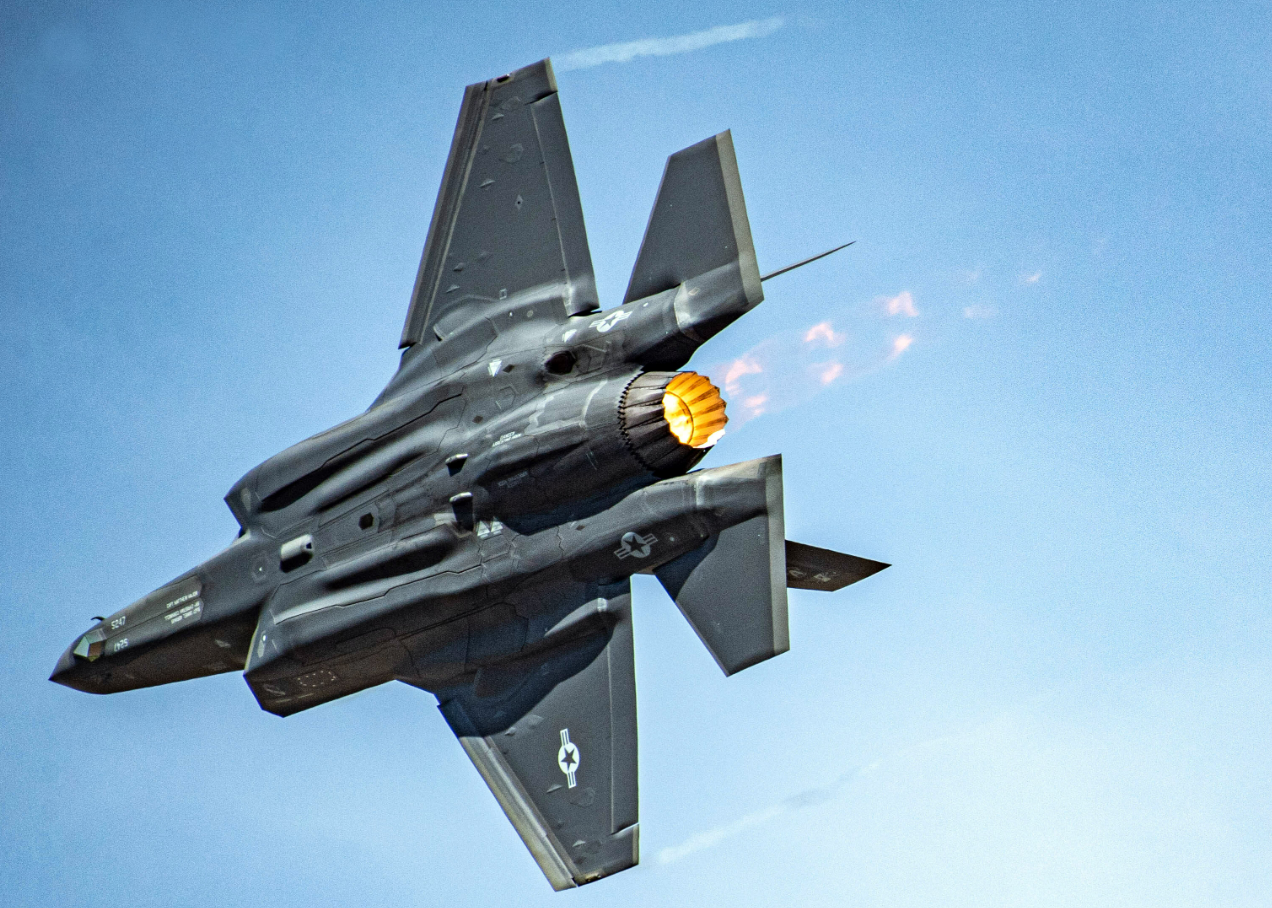
A World War II bombardier named Yossarian is desperate to stop flying combat missions and he knows the military has a rule: a pilot can be grounded if they're declared insane. The problem is that the act of wanting to be grounded proves you're sane, because only a rational person would want to avoid dying. Therefore, if you ask to stop flying on the grounds you are insane, you are immediately deemed sane and must continue flying. This is the premise of Joseph Heller's hilarious yet insightful novel Catch-22. His rule’s absurdity and simultaneous relatability has earned the books’ name a spot in the dictionary; a catch-22 now refers to any circumstance that is inescapable because of conflicting and dependent conditions. What makes this more than a clever bit of dark comedy, though, is how recognizable it feels. It is the ideology of every system that protects itself through contradiction, where the rules are structured so that playing by them and challenging them have the same result. And when every exit is closed, the only move left is to say so. The moment you do this, though, you mark yourself as difficult - insane. Heller's world points out that in such a broken system, sanity is not rewarded.
"The law clearly states that you can do whatever we cannot stop you from doing"
Heller's version of sanity has nothing to do with calmness or composure. Yossarian is frantic, paranoid, and desperate. But he is also the only character who sees the war clearly for what it is: a machine that will kill him, run by people who don't care. The men around him have made their peace with the madness by simply choosing not to look at it. They follow orders, adopt the institution's language, and measure success by its metrics. Yossarian does not. He calls death "death" rather than "duty," and that refusal, not, erratic behavior, is what makes him a supposedly insane. In this sense, Heller redefines sanity not as a mental state but as a moral state. To be sane is to remain honest about what you are actually seeing, even when everyone around you has agreed to see something else.
"It was miraculous. It was almost no trick at all, he saw, to turn vice into virtue and slander into truth, impotence into abstention, arrogance into humility."
This quiet agreement not to see doesn't happen by accident. The institution actively depends on it. One of the novel's clearest illustrations of this is Major Major Major Major (Yes, Major three times is his name, given to him by his father as a joke), an officer initially promoted to squadron commander by accident, but kept in that position because he is unremarkable and unquestioning. He is useful to the machine because he will never threaten it. The military in Catch-22 doesn't reward the sharp or the honest; it promotes the compliant and sidelines anyone whose clarity might expose the contradictions holding the whole structure together. This is not unique to war. Any institution, be it a record label, a publishing house, or a gallery, develops its own version of this structure over time. The people who rise are often not the most talented but the most willing to accept the terms without caring about the contents. The system does not need to be consciously cruel to function this way. It just needs enough people to keep agreeing not to ask.
"Even among men lacking all distinction he inevitably stood out as a man lacking more distinction than all the rest."
Catch-22 was published in 1961, but what was being written about has no expiration date. As of 2026, there are over 40 active armed conflicts taking place across the world, including the one in Iran where my brother will soon be deployed by. The same machine Yossarian was trapped inside – one that dresses death up in the language of duty – is running right now. And the same group decision to not see is being asked of us. Not by force, but by the slow accumulation of distance, of abstraction, of news cycles that move too fast to feel anything. This is precisely where the artist becomes something more than a creative professional navigating a difficult industry. When institutions and governments depend on the public agreeing not to look, the artist who insists on looking is doing something that cannot be replicated by journalism or policy or protest alone. Art makes the unbearable specific and closes the distance that abstraction depends on. That is no small thing.
"Mankind is resilient: the atrocities that horrified us a week ago become acceptable tomorrow."
But it would be dishonest to write about this without acknowledging what it costs. Yossarian's clarity isolates him. He's the one who doesn't get to sleep, pretend, or drop the weight of what everyone else has agreed to surrender. Artists who make honest work about power and war face their own version of that isolation. Their work gets named political, as though that is disqualifying, not descriptive. Platforms are lost, audiences divide, and the artist who refuses to look away is often left the only person in the room who can feel the water boiling. There is no clean resolution to this. The reality is there is a cost that is worth naming plainly, because pretending it isn't there is itself a form of the blindness the work is trying to resist. What can be said, though, is that the isolation Yossarian feels is not evidence that he is wrong.
"I'm not sure I wouldn't rather be crazy than dead."
Catch-22 is still in print. The particular military bureaucracy Heller skewered, the specific commanders and regulations he put on the page, is gone, dissolved back into history. But the soul of his writing persists, because the traps it describes never stopped being built. That is why you must make the work anyway. Not because it will protect you, or that the system will soften, or that clarity will be rewarded. Yossarian never gets a clean escape. But Heller sat down, for eight years, while working a day job, and wrote the most honest thing he could. And sixty years later, someone is still reading it and feeling less alone. That is what honest art does. It persists. And in a world that depends on collective forgetting, persistence is the only true resistance.
"He had decided to live forever or die in the attempt."