Are Art Institutions Falling Behind? Miami Art Week Recap
Dive into the non traditional artists making waves right now.

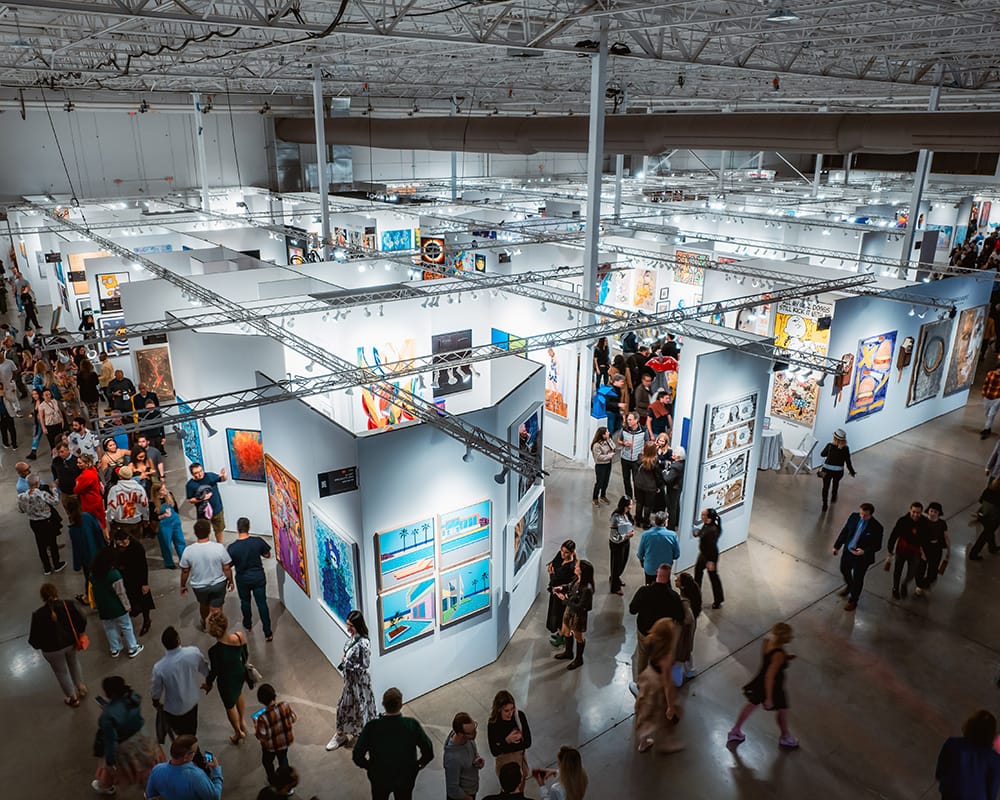
Miami Art Week 2025: Art Steps Beyond the Institutions
Miami Art Week has always been a barometer for where contemporary art is heading, but this year made the shift unmistakable: artists, audiences, and even the market are increasingly looking beyond traditional institutions for meaning, innovation, and cultural influence. Across fairs, satellite shows, and independent installations, the most-discussed works weren’t the ones reinforcing the establishment — they were the ones challenging it.
Beeple’s “Regular Animals” and the Rise of Tech-Critical Art
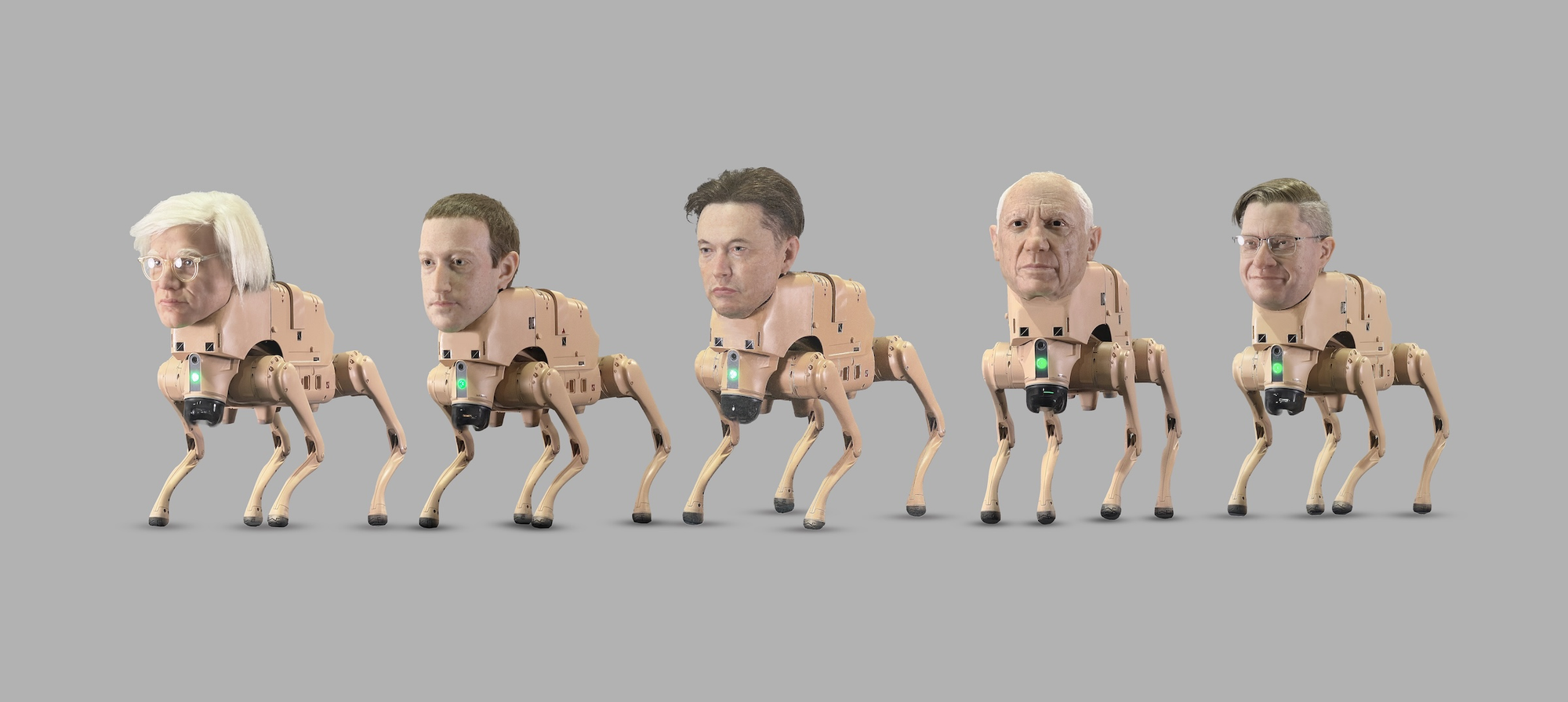
One of the most visible works of the week was Beeple’s new installation “Regular Animals,” presented within Art Basel’s expanding digital art section. The piece consists of robot dogs fitted with hyper-realistic celebrity and tech-mogul heads, which record visitors, run their images through AI, and discard the printed results.
As Scientific American notes, the work operates simultaneously as satire and critique, targeting figures like Musk and Zuckerberg while commenting more broadly on the role of AI in shaping visual culture. The significance lies not only in its content but in its positioning: Beeple, an artist who majored in comp sci, built his reputation outside the gallery system through digital distribution and online communities, is now influencing the discourse at one of the world’s most established art events.
See more of him here.
Lorenzo Amos and the Acceleration of Non-Institutional Talent
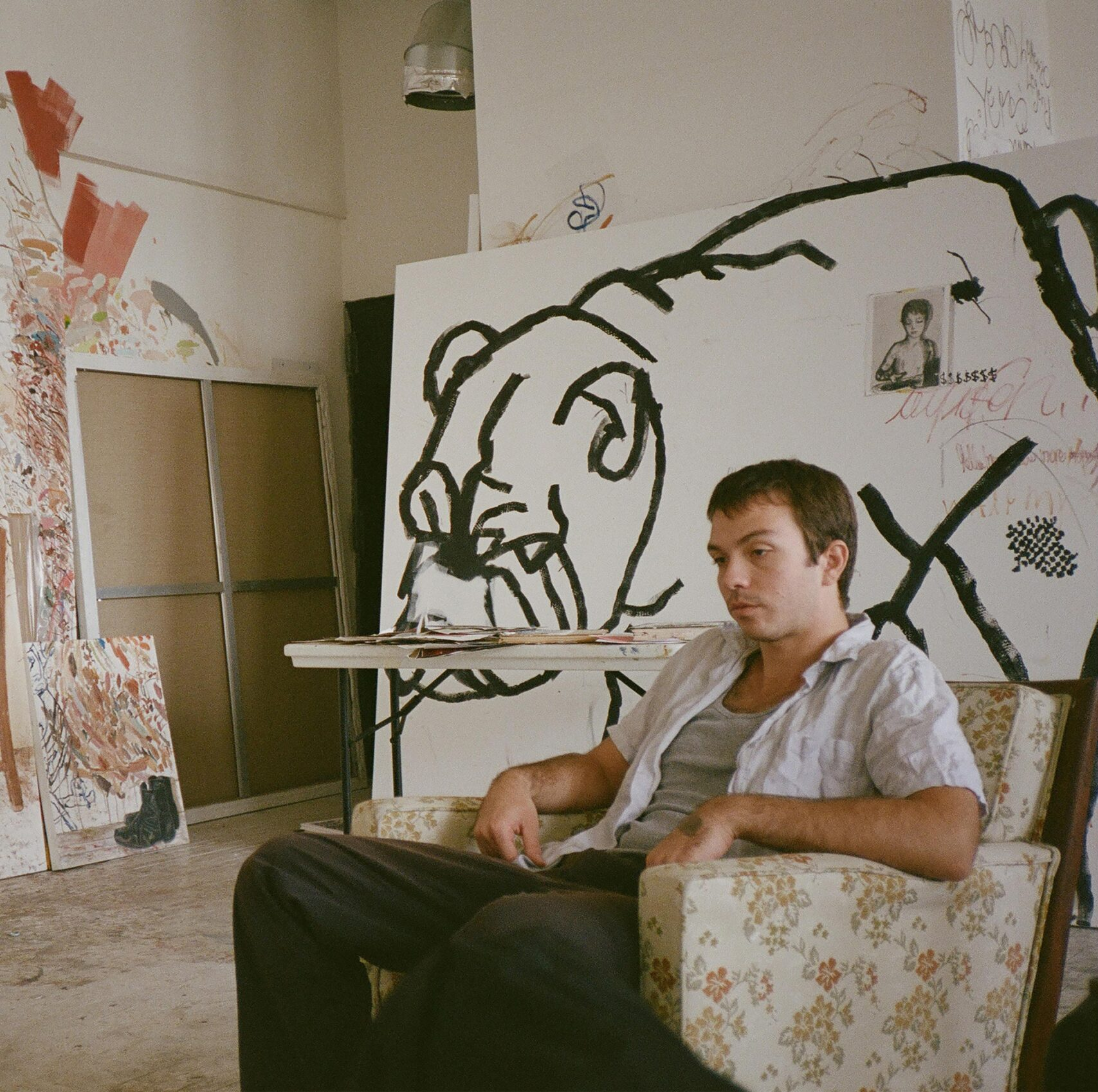
A parallel story unfolded with 23-year-old painter Lorenzo Amos, whose presentation at the Rubell Museum drew attention throughout the week. As reported by Vanity Fair, Amos is largely self-taught and did not rise through the traditional pipeline of graduate programs, residencies, or blue-chip gallery grooming.
His rapid ascent reflects a broader shift in contemporary art: young artists are no longer waiting for institutional validation to find an audience. Social media visibility, grassroots interest, and independent patronage are increasingly driving momentum. Amos’s success at Miami Art Week demonstrates how quickly a voice outside the establishment can become central to the cultural conversation.
Find more of him here.
Max Evasion - Burple Stomp (2025)
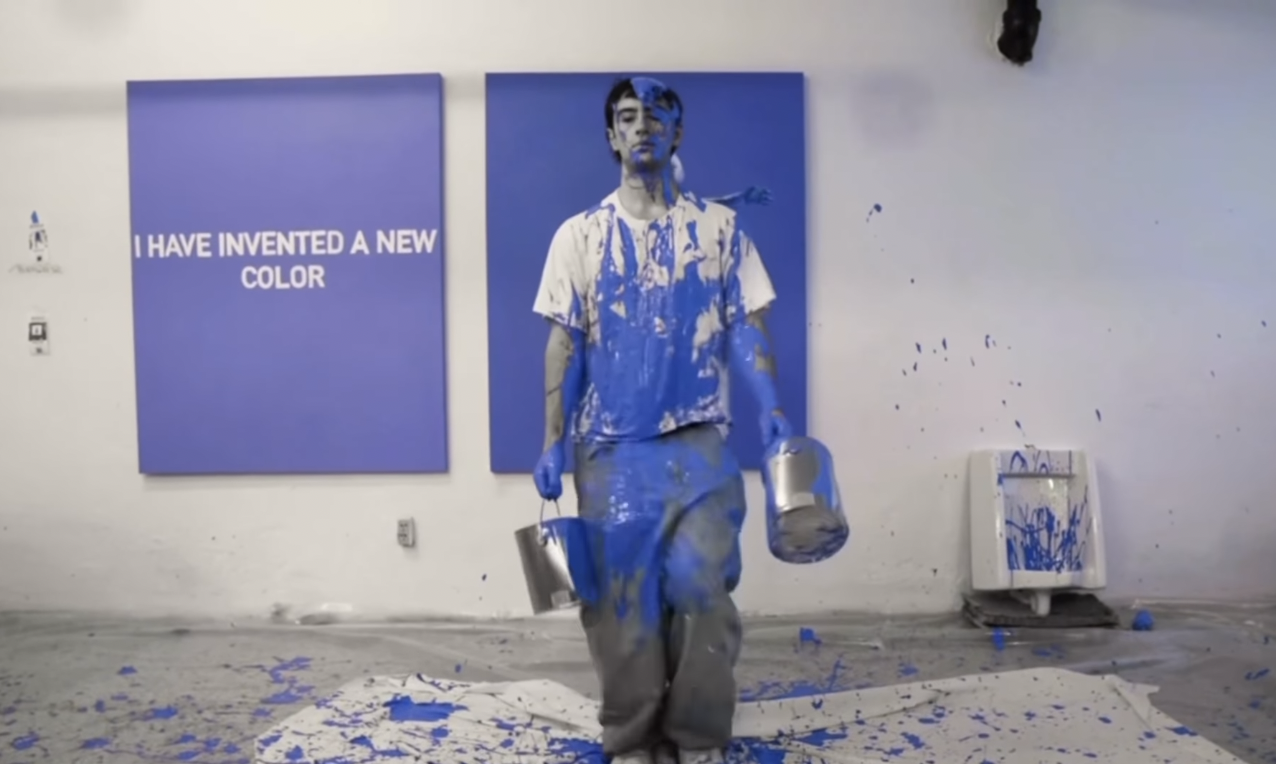
One of the most unexpected highlights of the week came from outside the institutional sphere entirely. Max Evasion’s - Burple Stomp (2025) circulated widely online, where much of the conversation revealed confusion about what the piece was trying to say. I ended up leaving a comment explaining my interpretation, which unexpectedly resonated with thousands of viewers and ultimately led to a brief exchange with Max and a member of his team about the work.
Max, whose rise stems from popularizing the “Ian Dance” or “street billy walk,” brings that same self-made cultural momentum into Burple Stomp. By placing his dance in front of a urinal, a deliberate nod to Duchamp, and referencing Yves Klein’s language of invention, he positions a movement born on the internet alongside artists who were once dismissed for oversimplicity. The piece suggests that something originating outside traditional institutions can still carry conceptual weight, asking whether art must be complex or institutionally validated to matter.
Read more of this article here.
A Collective Shift in Contemporary Art
Taken together, these three case studies reflect a broader movement in contemporary art. Artists are increasingly:
- Engaging audiences outside the traditional museum/gallery gatekeeping model
- Responding to the cultural and technological moment in real time
- Blurring the line between digital and physical presentation
- Forming reputations and influence through grassroots, online, and peer-driven networks
Miami Art Week 2025 did not retreat into the safety of institutional endorsement. Instead, it showcased voices and formats that operate dynamically across platforms, expanding what art can mean in a rapidly changing cultural landscape. This signals a powerful reorientation: art is no longer defined solely by who hangs a work on a museum wall or lists it in a catalog, it is shaped by where it resonates, how it circulates, and the conversations it ignites.
Thanks for reading everyone, until next week.
-Wolfgang, Chief Editor and Co Founder, The Art Newsletter